
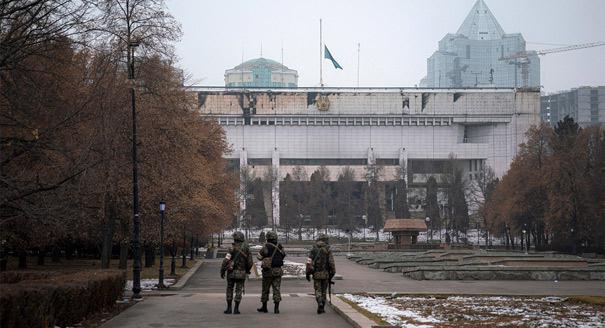
What are the lessons and the likely consequences of the recent crisis in Kazakhstan for the country itself, for Central Asia, and for Russia’s role in the region?
What are the lessons and the likely consequences of the recent crisis in Kazakhstan for the country itself, for Central Asia, and for Russia’s role in the region?

In a world of economic interdependence, sanctioning Russia will likely prove more globally destabilizing than policymakers realize. To be effective, the West needs to look to vulnerable Russia-dependent economies, like those of Central Asia, in order to mitigate collateral damage.

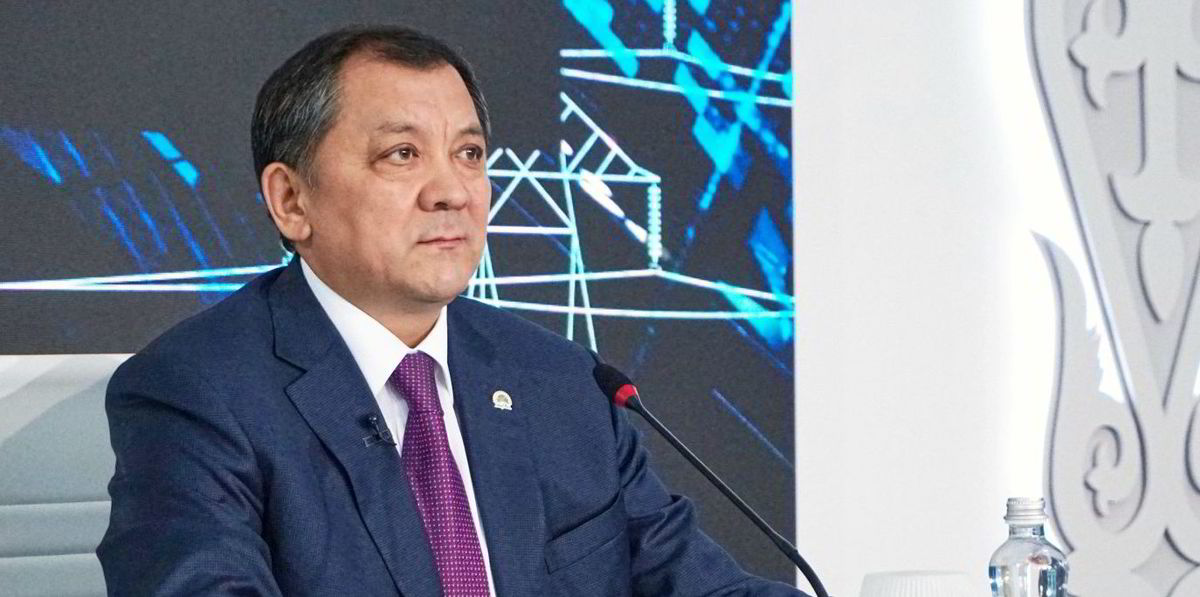
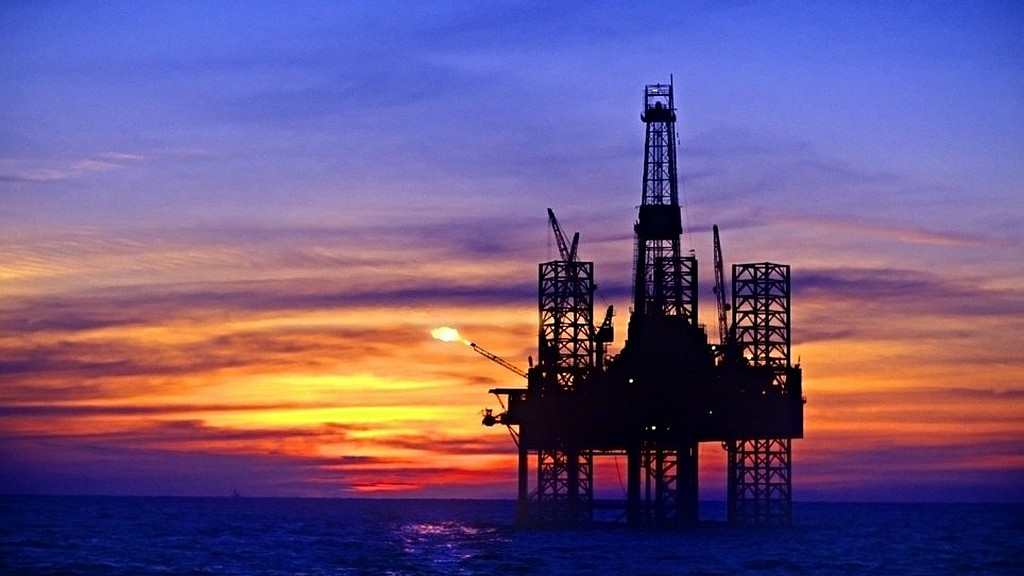
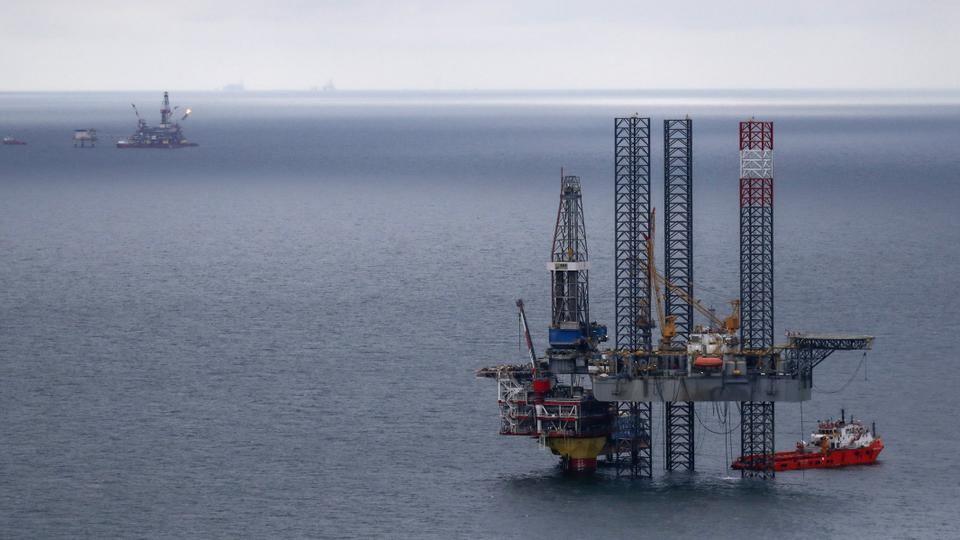
There is virtually no progress in the exploration and development of gas fields in Kazakhstan, including that on the assets in the Caspian Sea, President of Kazakhstan Kassym-Jomart Tokayev said.

Decision deals setback to ambitions of Kazakh state holding KazMunaiGaz in looking for foreign partners to grow offshore oil and gas production

Gloomy forecast comes despite billions of dollars invested by Western majors in the country in last 25 years

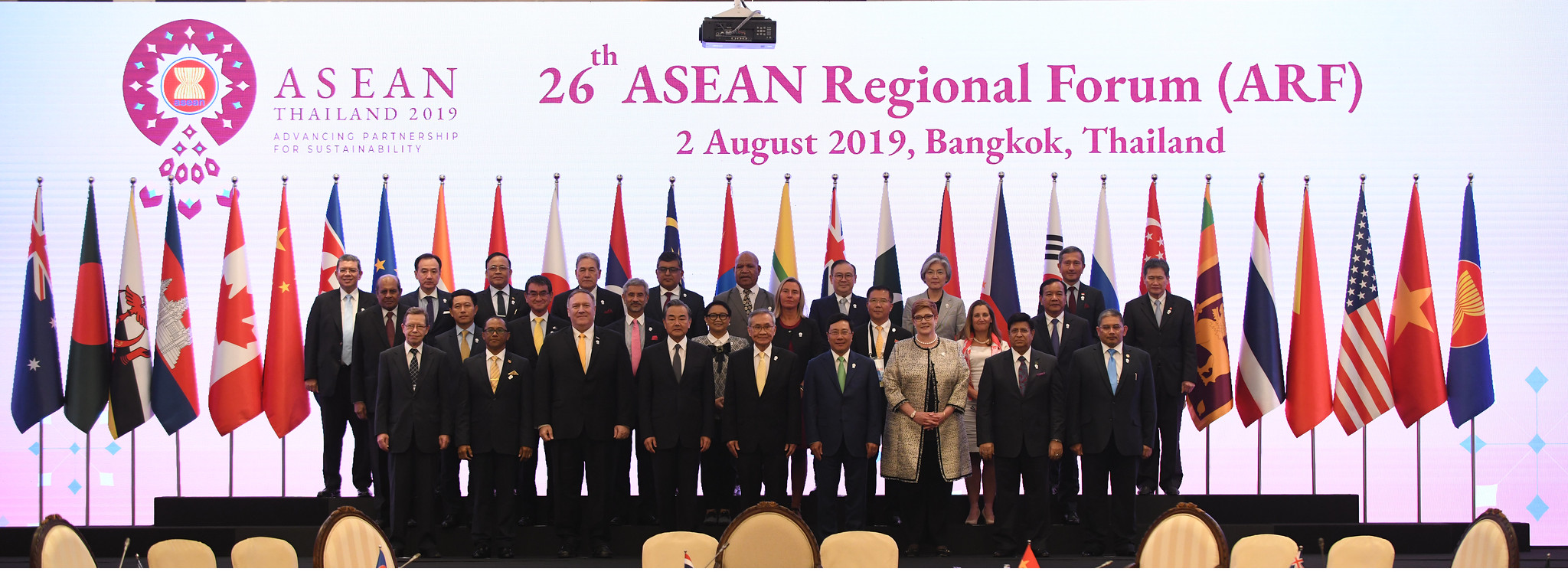
Kazakhstan’s central role in China’s BRI and membership in the EAEU present new opportunities for stronger relations between Kazakhstan and ASEAN.

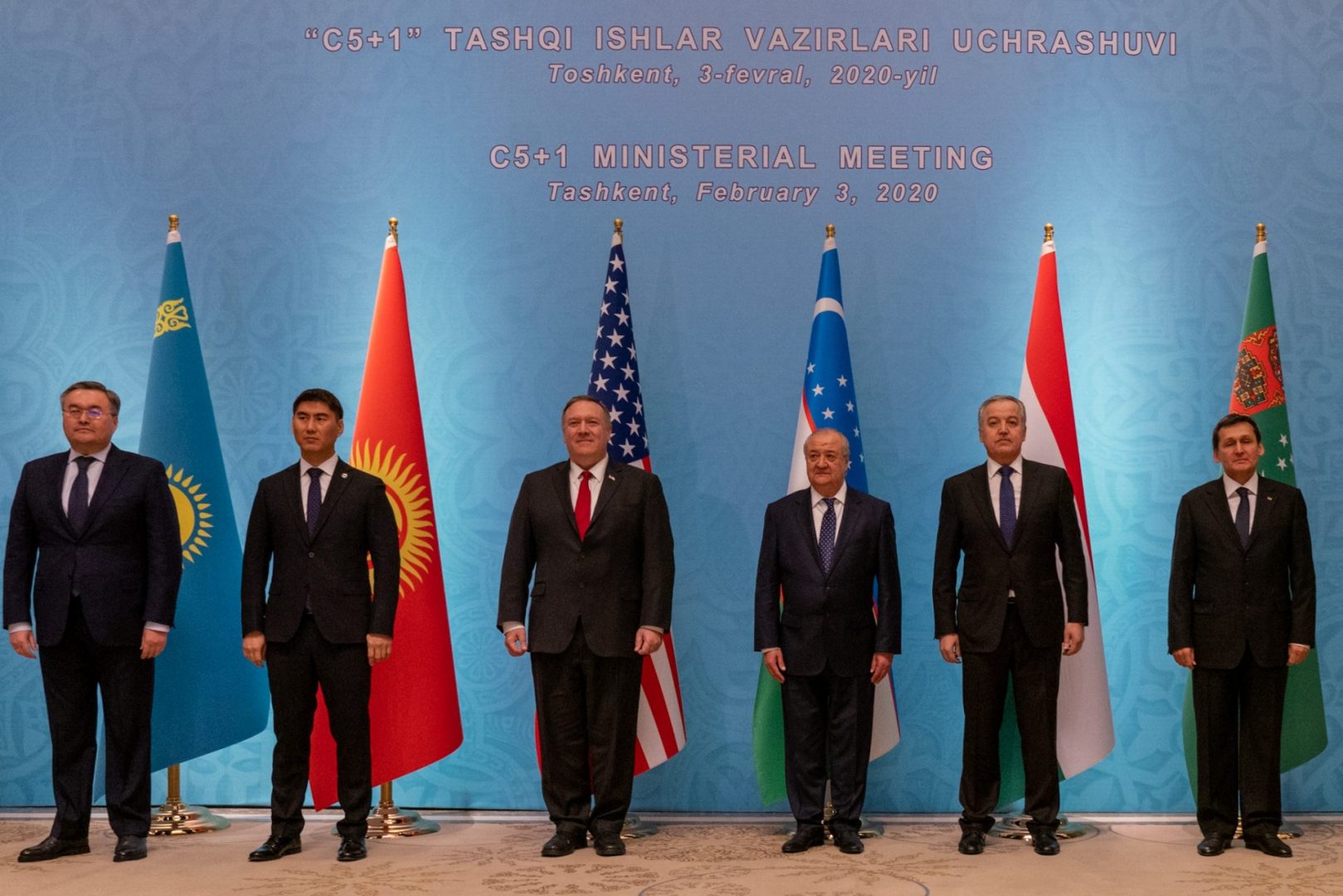
The State Department released its updated strategy for Central Asia last month, a relatively short document that is mostly taken up with reiterating traditional U.S. priorities in the region.

The oil price crash is an existential threat to petrostates from Nigeria to Iran, where governments rely on oil wealth to stabilize power and pay off competing interests.

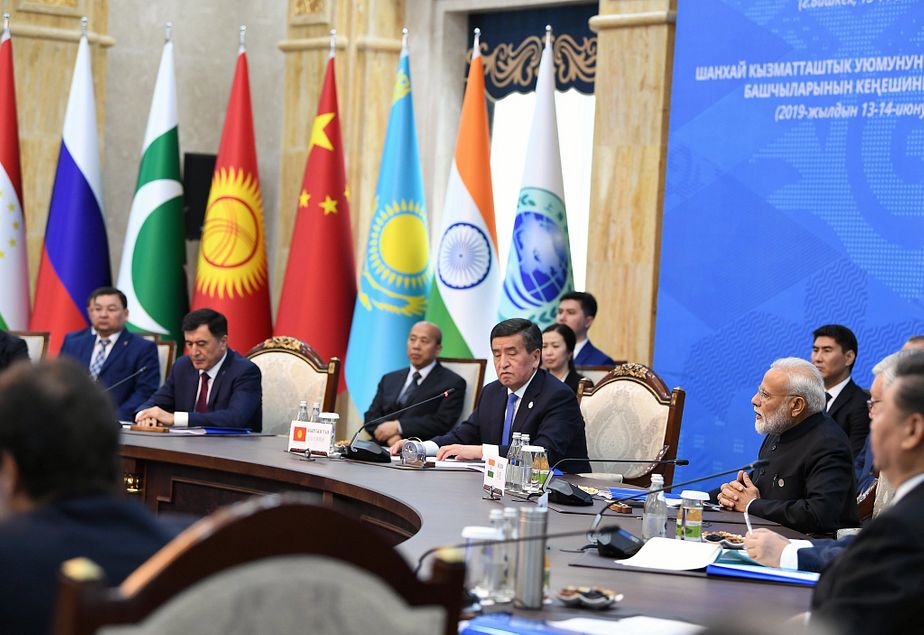
Russia’s invitation for India to link up with Eurasian Economic Union recalls the SCO expansion saga.

Three decades after gaining independence, Azerbaijan and Kazakhstan face a growing struggle convincing investors and markets of the potential for significant new oil opportunities in the Caspian region.