
Anton Troianovski is The Washington Post's Moscow bureau chief.
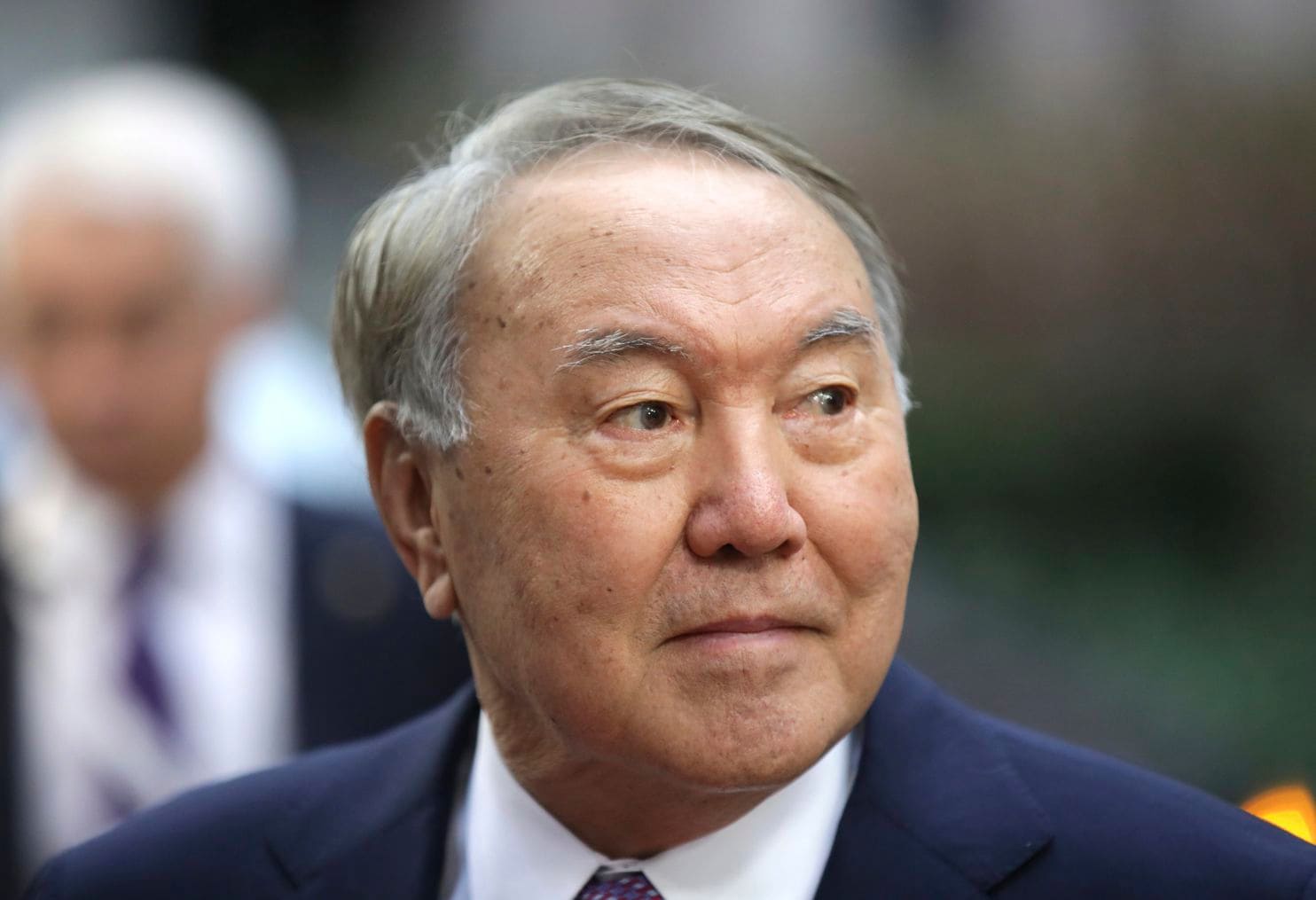
Kazakh President Nursultan Nazarbayev said Tuesday that he was stepping down, touching off a potentially perilous period of transition in one of the world’s most geopolitically fragile regions.
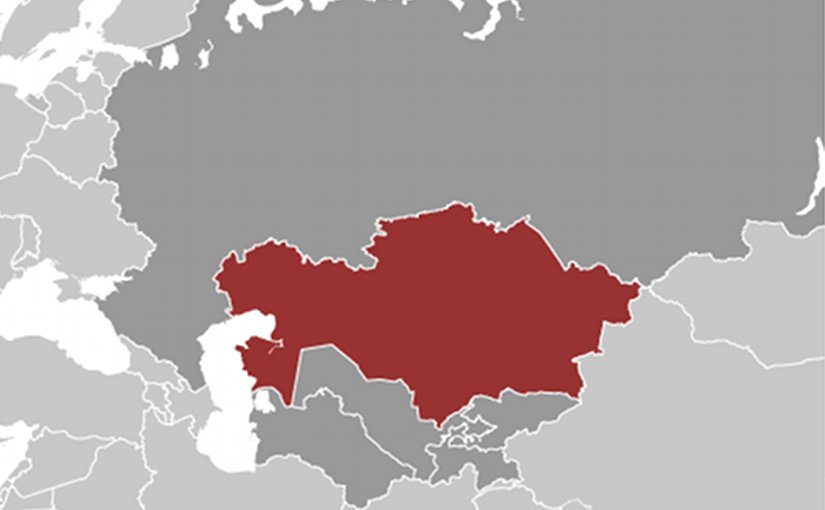
Nazarbayev has ruled Kazakhstan, Central Asia’s largest country, since it became an independent state with the collapse of the Soviet Union. On Tuesday, he said in a nationally televised address that after nearly 30 years in power, it was time to leave the presidency.
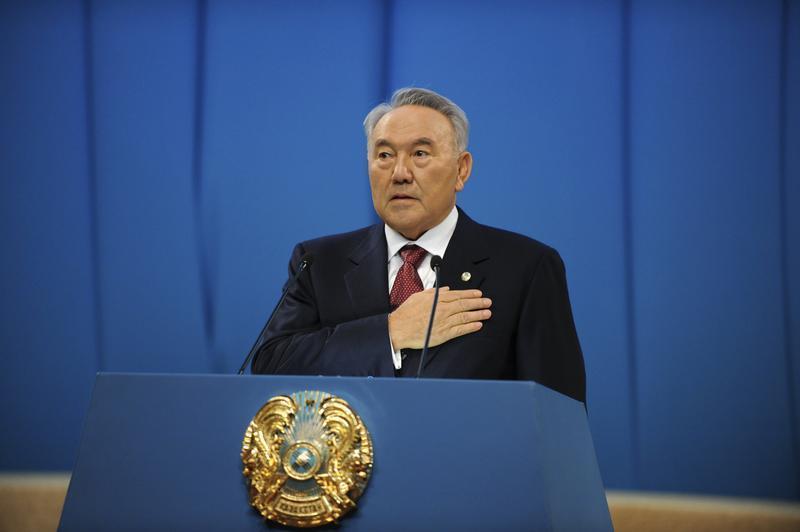 Kazakhstani President Nursultan Nazarbayev will turn 79 in July, and talk of an impending succession has significantly intensified since the end of last year. Numerous local experts noted the harsh criticism that the president leveled at domestic utilities companies during a November 2018 session of the Security Council.
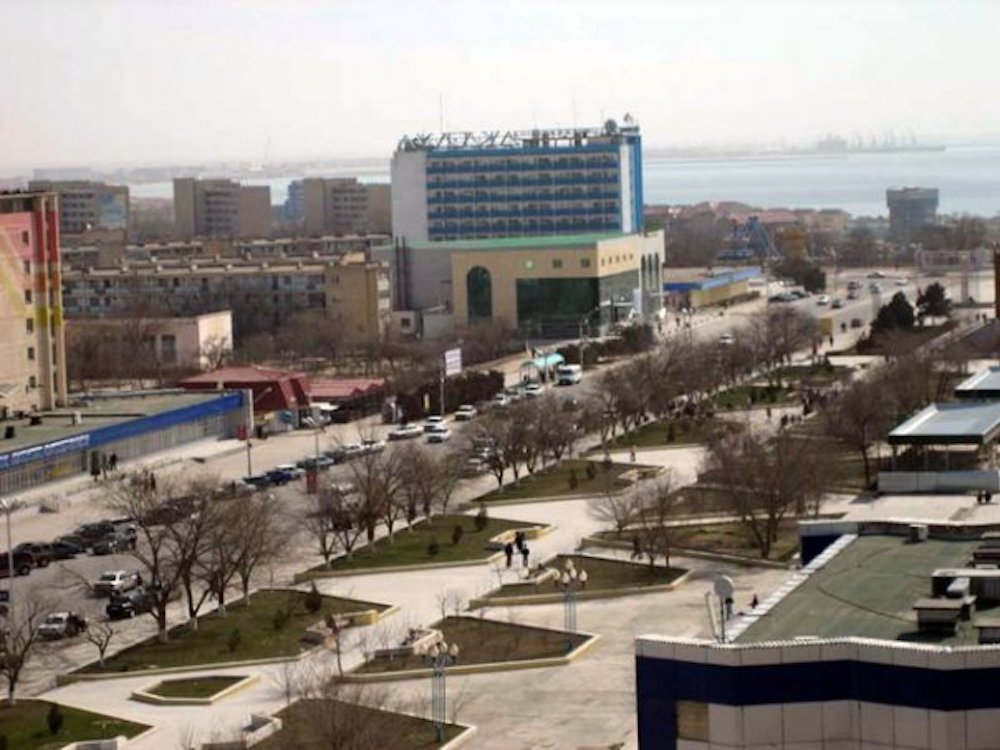 Akberdi’s husband was jailed for three years on similar charges.
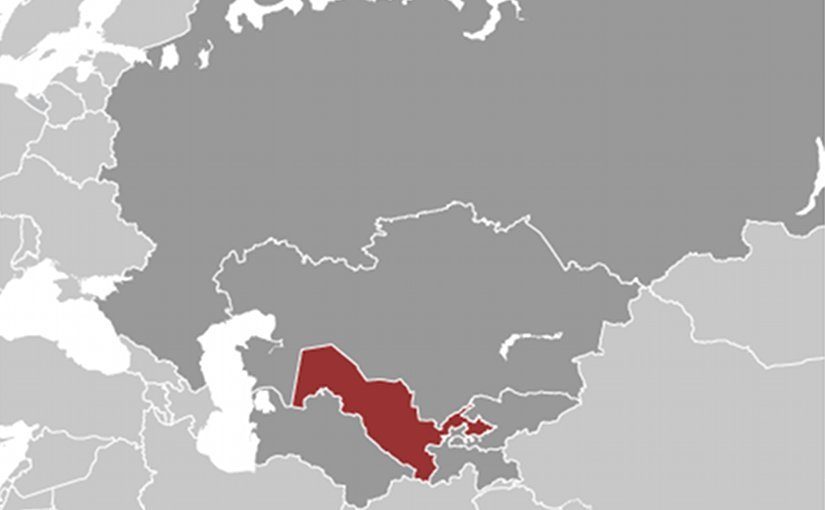 President Donald Trump met with President Shavkat Mirziyoyev of Uzbekistan on 16 May, an important breakthrough after the isolationism of the Karimov regime.
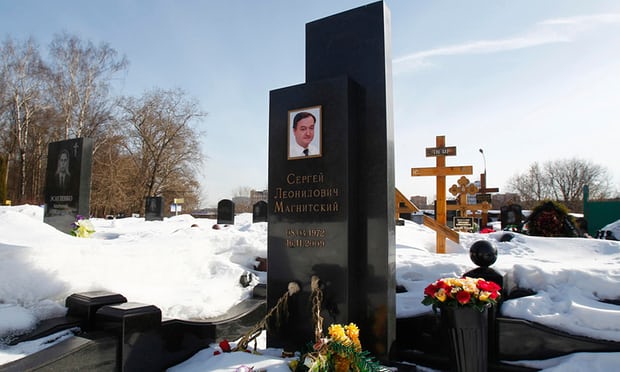 It’s a grubby business but these companies have no qualms about picking up the fat
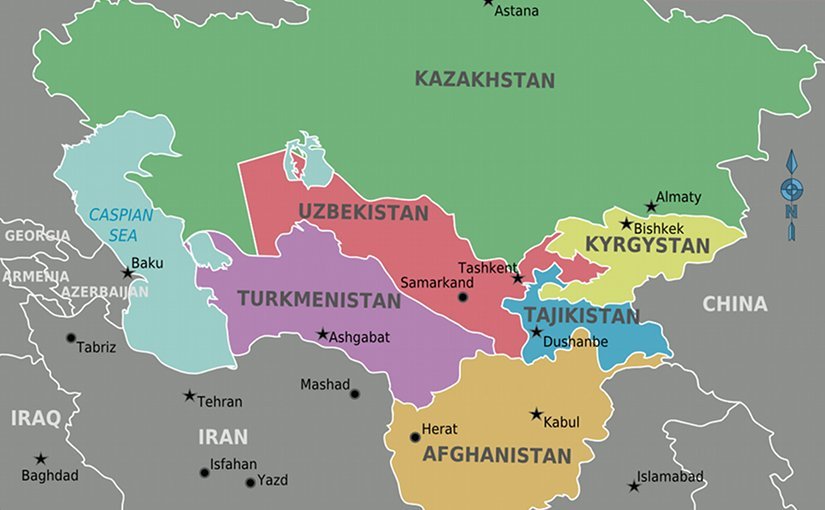 Two post-Soviet Caspian Sea sub-regions – Central Asia and the South Caucasus – have experienced different conflict scenarios.
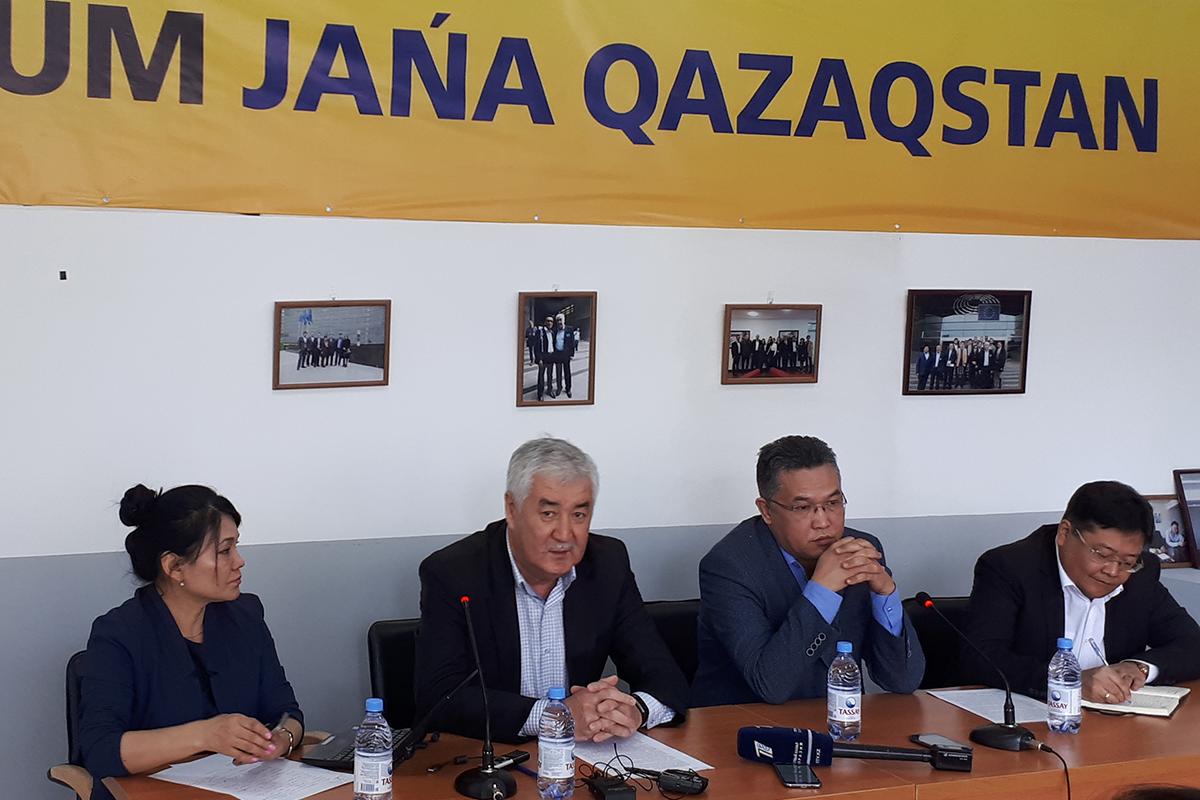 The president’s advanced age instils his detractors with hope a change of leadership is imminent.
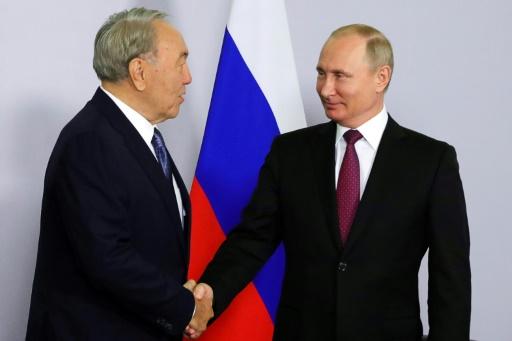 Kazakhstan's parliament on Wednesday passed a bill that would cement its veteran ruler Nursultan Nazarbayev's status as the country's top power broker even if he decides to retire as president.
 The continuing strength of tribal confederation identities in Kazakhstan not only limit the ability of the authorities to combat corruption but reduce the country’s prospects for development and absorption of other Turkic peoples, according to Kazakh journalist Dauren Kuat.