
Bloomberg
 Russia and other authoritarian states are gaming the system to go after dissidents.
Russia and other authoritarian states are gaming the system to go after dissidents.
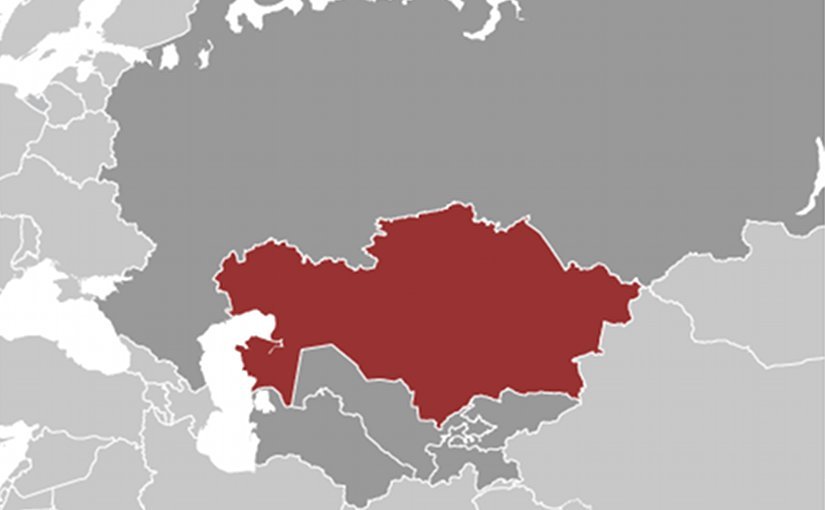 Lawmakers in Kazakhstan have approved an agreement allowing the United States to use two of the nation’s Caspian Sea ports as transit points for shipping nonmilitary material to Afghanistan.
 Russia is rapidly losing its traditional leverage in Kazakhstan. Not only is demographic change swiftly reducing the share of ethnic Russians in the population, but the government in Astana is promoting the Latinization of the Kazakh alphabet (see EDM, April 25) and a new and more radical generation of Kazakh nationalists is coming to the fore.
 Nor was it a triumph of democracy
 Freedom of the press, a devastating landslide, meeting a manaschi, and a special bonus; weekend reads.
 Uzbek President Shavkat Mirziyoyev visited his Kazakh counterpart Nursultan Nazarbayev in Astana.
 Following the formal end of national discussions in Kazakhstan on constitutional reforms intended, if only on paper, to rebalance authority away from the president toward the executive and the legislative, President Nursultan Nazarbayev has ruled the issue should be considered further in parliament.
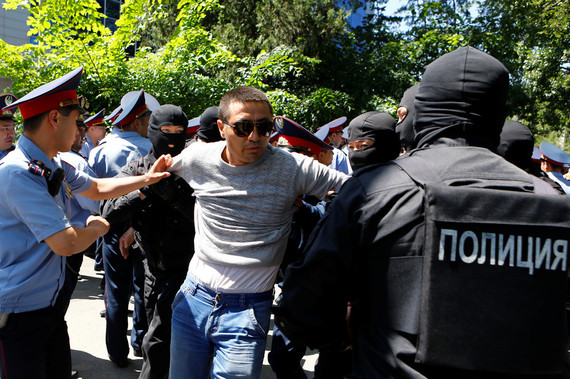 In Kazakhstan, the power of citizens to resist authoritarianism has been dealt a significant blow. On November 28, two major Kazakh land activists, Max Bokayev and Talgat Ayanboth, were sentenced to five years in prison on charges of organising unsanctioned protests and inciting social discord.
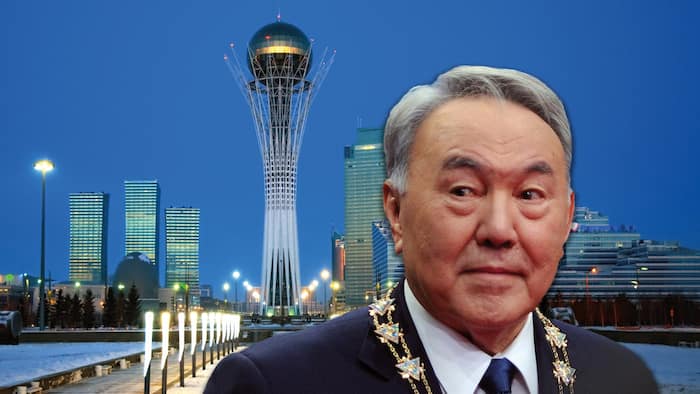
Amid talk over the leadership, the country has to solve fundamental problems
 Regime Classification: Consolidated Authoritarian Regime