
Timothy Frye, Director
June 3, 2011, the Harriman Institute hosted the Kazakh anti-torture activist Petr Afanasenko. Afanasenko began his activism career after he was arrested and subjected to a 48-hour period of non-stop physical and psychological torture in 1999. At the time of his arrest, he was a odyguard to former Kazakh Prime Minister Akezhan Kazhegeldin, an opponent of President Nursultan Nazarbayev.
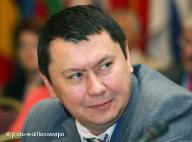 Rakhat Aliyev, the scandal-prone former son-in-law of Kazakhstani President Nursultan Nazarbayev, has stirred up trouble in his homeland and in Europe. Now, he's tried to make waves in Washington. But he's found that a spin war in the United States can quickly turn into a quagmire.
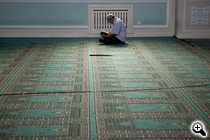 Following two deadly explosions in Kazakhstan, investigators and officials remain tight-lipped over their probes, only insistently ruling out terrorism. Many, however, are finding the hazy explanations hard to swallow, and the press is rife with speculation about the rise of Islamic radicalism.
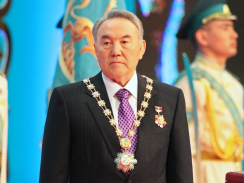 This is an installment in the WorldWatch series, "The world's enduring dictators," inspired by events in Tunisia and Egypt, in which CBSNews.com takes a look at the men who continue to rule their lands unimpeded by law. See a complete explanation of the series and a list of others profiled here.
 Lawyer Gabriel Lansky says that the domestic authorities have helped murderers to escape in the Rakhat Aliyev case and announced that charges were being brought in connection with the former Kazakh ambassador.
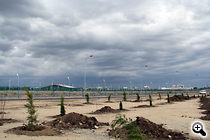 A grandiose project is rising in a sleepy corner of Central Asia, where southeastern Kazakhstan meets northwestern China. Officials in Astana hope the multi-billion dollar initiative can transform a patch of desert into an engine of growth.