


Peter Zalmayev
 The ignominious end of Rakhat Aliyev, Kazakhstan's most feared man, heir apparent, sugar czar, fugitive. On the morning of February 24, the warden of Vienna's Josefstadt prison announced the suicide by hanging of his most notorious inmate. Rakhat Aliyev, former son-in-law of Kazakh President Nursultan Nazarbayev and a man on the run since he fell afoul of his powerful relative in 2007, had surrendered himself to the Austrian authorities last May and was awaiting trial on murder charges.
 I am in Astana, the gateway to southern Siberia. The temperature in the afternoon is around -10 degrees Celsius. All around us the ground is covered in ice, but Astana residents still say, "We've made it through winter now, and the scent of spring is in the air." Everyone is getting ready to celebrate Nevruz on March 21. Personally, I love the cold of Astana. It's a dry cold, a cold that keeps people strong and doesn't make them ill. For Kazakhstan, the winter season is especially important. Dec. 1 is the "first president of the Kazakhstan Republic" day, marked by the president turning on the lights of a new year's tree, then a couple of weeks later on Dec. 16 is Kazakhstan's Independence Day.
 The lawyers of former Kazakh diplomat and Malta exile Rakhat Aliyev are insisting that his death in an Austrian prison was no suicide, and are calling for an independent investigation into the matter.
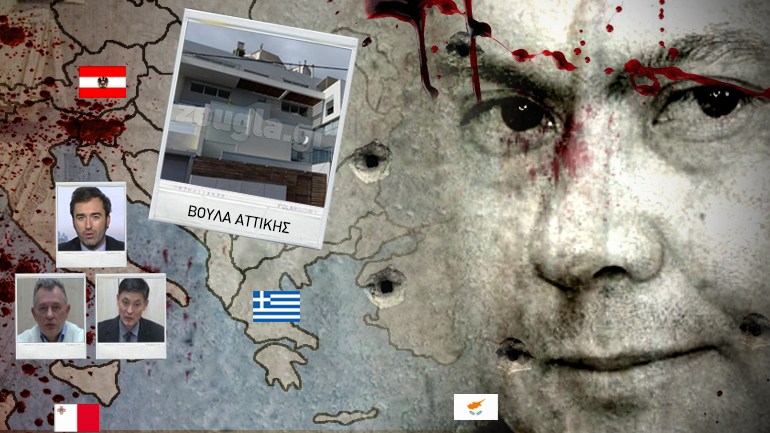 A suicide in the prison of Vienna put an end to the first phase of a political-financial thriller which preoccupied the governments of Malta, Austria and the prosecuting authorities in Europe for years. The case is not closed. On the contrary, all the unknown aspects of a story where the leading part was played by a person who was found dead in the small toilet of the prison in Austria and was accused of blackmail, murders, threats and money laundering come to light.
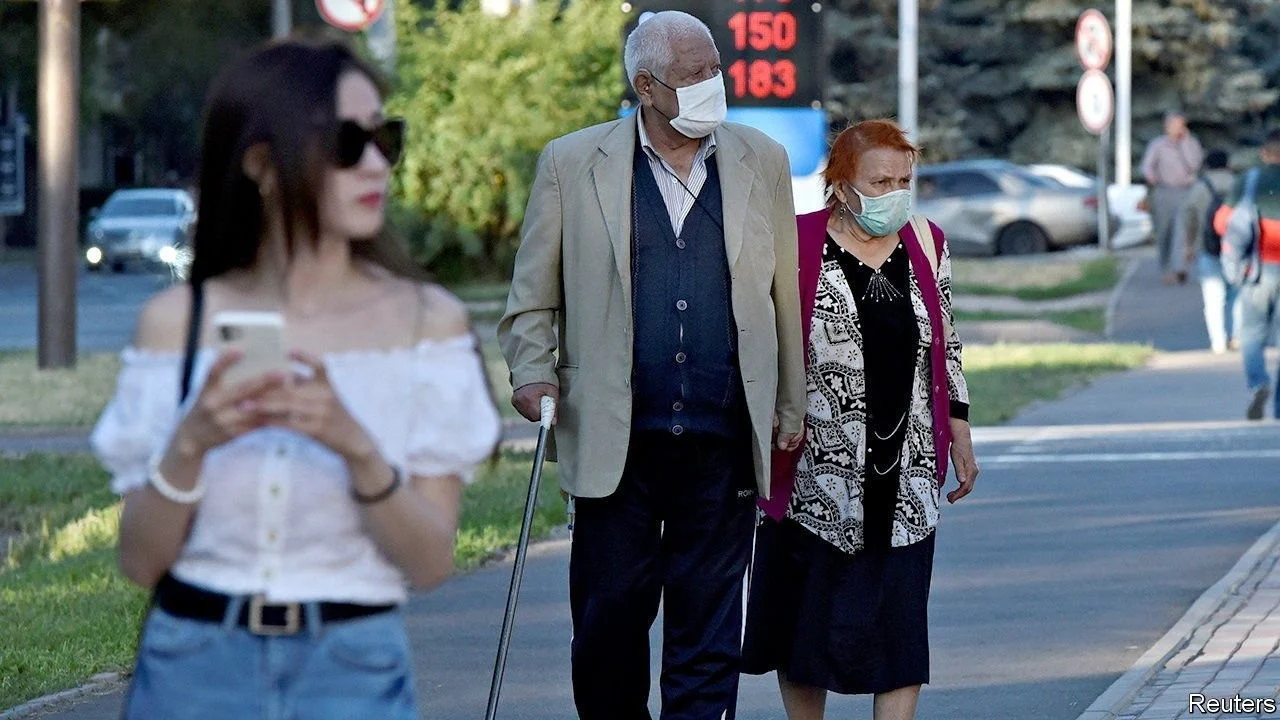
 Many Kazakhstanis, including ethnic minorities, support Nazarbayev's leadership. (Photo: Joanna Lillis).
 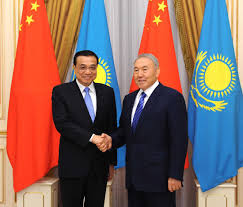 On 14 December 2014, the Chinese Premier Li Keqiang visited Astana for the 13th meeting of the Council of Heads of Government of the Shanghai Cooperation Organisation. The premier's visit signified a new stage in Kazakh–Chinese economic relations. Li announced a new package of economic deals, totalling US$14 billion. Kazakhstan and China also agreed to establish joint enterprises in the manufacturing and other key industrial sectors.
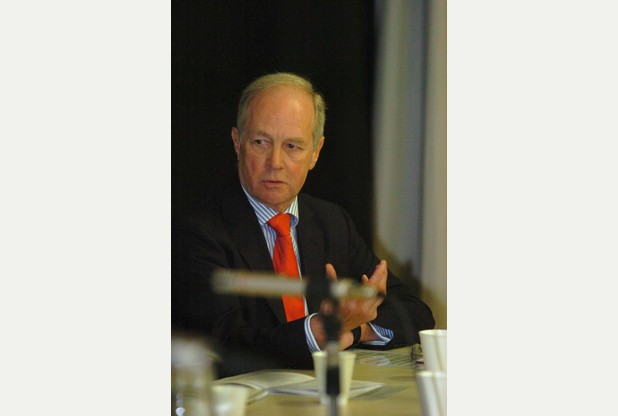 An MP who is paid £15,000 a year to advise a repressive regime has been urged to confront it about human rights. Peter Lilley, the MP for Hitchin and Harpenden, is paid the sum for his advisory work on the Eurasian Council on Foreign Affairs (ECFA), which is funded by the government of Kazakhstan.