


Matthew Vella
 Austrian lawyer Gabriel Lansky is hunting down one-time oligarch Rakhat Aliyev, although it is unsure whether the Kazakh millionaire is still in Malta. The Kazakh exile Rakhat Aliyev could have had over €40 million in assets frozen by a Maltese court over a money laundering investigation, the Austrian lawyer hunting him down has told MaltaToday.
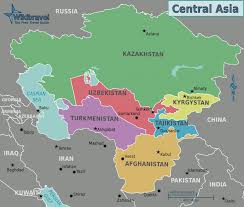 CORROSIVE corruption, submissive courts, poverty lapping at the gates of presidential palaces: the parallels between the regimes of Central Asia's autocrats and that of the fallen Ukrainian president, Viktor Yanukovych, are uncomfortably plain. Events in Ukraine pose two worries for the ageing strongmen of Central Asia.
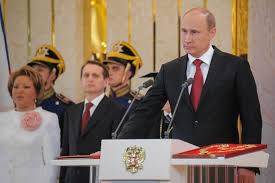 The Russian government tells the world that the Russian-speaking people of Ukraine need to be protected. The de facto annexation of Crimea has occurred. A logical and necessary step from Putin's point of view. After all, more than 58 percent of the Crimean population is Russian. Are eastern Ukraine and northern Kazakhstan, with their large percentage of Russians, next? This is, on the whole, unlikely. However, it can no longer be excluded, in particular regarding eastern Ukraine.
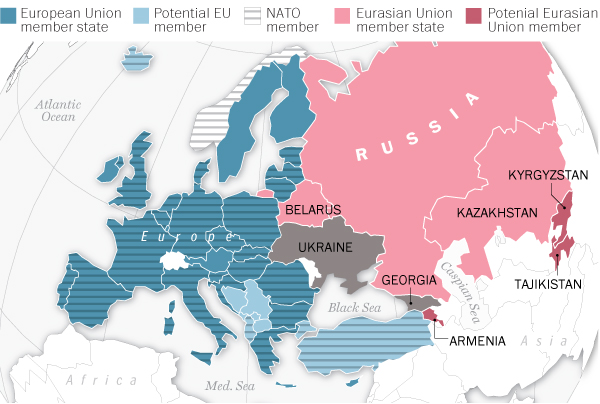 For most former Soviet states, the consensus about Russia's overtures in Crimea is very simple: It's bad. Georgia, itself on the receiving end of Russia's military in 2008, isn't too pleased, with President Giorgi Margvelashvili saying Moscow's moves "represent flagrant interference in the internal affairs of the sovereign state [...] and pose a threat to Ukraine's territorial integrity." Estonia's Foreign Ministry said that Russia's actions threatened the "sovereignty and territorial integrity" of Ukraine, while representatives of Lithuania and Latvia have also spoke out to criticize Moscow.
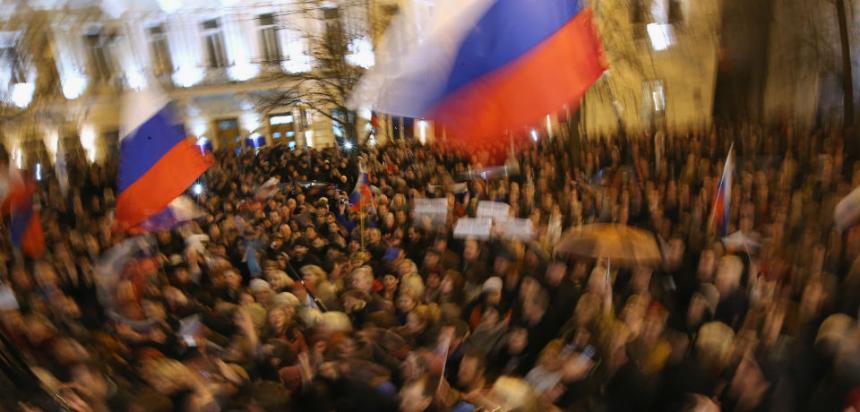 In every country, all truly important foreign-policy choices are, at their core, ultimately about domestic politics. And it's not just about creating a "rally 'round the flag" effect, or distracting from pesky domestic issues, although these are definitely relevant considerations for decision-makers. The right foreign-policy move at the right time can boost a leader's ratings and the regime's popularity. This is doubly true for authoritarian regimes that lack democratic legitimacy, and it is true for Russia today.
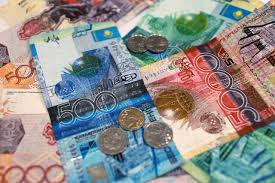 On February 11, Kazakhstan's central bank devalued the national currency, the tenge, by 19 percent against the US dollar. It said the gradual decrease of the US Federal Reserve's stimulus program had led to a capital outflow from developing countries to developed ones and the central bank was not able to maintain the exchange rate of the tenge by selling dollars.
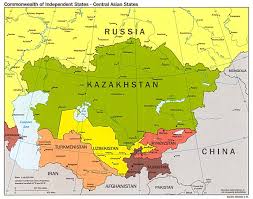 The situation in Ukraine has increased the internal tension in the CIS and will complicate the relations between its member countries, Russian political analyst Dmitry Oreshkin told Rosbalt (www.rosbalt.ru). He said that even today, such CIS member countries as Belarus and Kazakhstan, which have achieved the closest integration with Russia within the Customs Union, participate in these organizations only because "it is economically profitable for them" and "only to the extent that is profitable for them".