





Raushan Nurshayeva
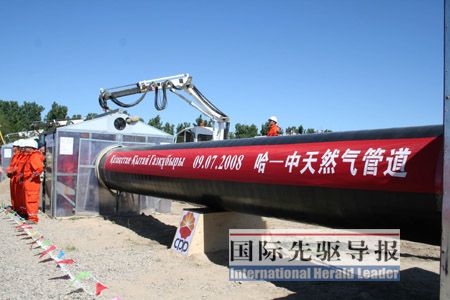 China and Kazakhstan agreed on Saturday to build and finance a gas pipeline and deepen atomic energy ties, extending Beijing's influence in a region where it has used its financial might to access natural resources.
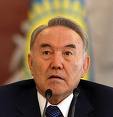 President Nursultan Nazarbayev was declared Kazakhstan's Leader of the Nation on Tuesday, which could signal the start of his gradual departure from the political scene in the oil-producing Central Asian nation.
 A solution to such an important for Kazakhstan ecological problem as disposal of waste sulfur depends directly on the world prices for grain. According to specialists, block sulfur deposits that have formed as a result of aggressive oil extraction in Kazakhstan have reached 18.5 million tons. Stored under the open sky, they cause a serious ecological problem during the rainy seasons in the western parts of the republic. At present, there is no scientific way to effectively utilize the sulfur.